

Sudden blurry vision in one eye can be unsettling, especially when your other eye seems to be seeing normally. You may notice that objects look hazy, words are difficult to read, or your vision suddenly seems distorted. While temporary blurriness can sometimes have a simple cause, sudden vision changes can also indicate an eye condition that requires prompt professional attention.
Knowing when blurry vision requires urgent care can help you take the right steps to protect your eyesight. Symptoms such as severe eye pain, flashes of light, new floaters, a dark curtain over your vision, or sudden vision loss should never be ignored.
For residents experiencing unexpected changes in their eyesight, understanding when to seek Emergency Eye Care in Beaumont, TX can make it easier to respond quickly and appropriately.
What Causes Sudden Blurry Vision in One Eye?
Sudden blurry vision can have many possible causes. Some affect the surface of the eye, while others involve deeper structures such as the retina, optic nerve, or blood vessels.
Common possibilities include:
Dry Eye
An unstable tear film can temporarily affect the clarity of your vision. Dry eye may cause blurry or fluctuating vision, burning, irritation, or a gritty sensation. Blinking may temporarily improve your vision.
However, sudden or persistent blurriness should not automatically be attributed to dry eye. A professional evaluation can help determine the underlying cause.
Corneal Injury
The cornea is the clear outer surface of the eye. A scratch or other injury can cause blurry vision, redness, watering, pain, and sensitivity to light.
Eye injuries can happen from dust, debris, fingernails, contact lenses, or accidental impact. Even a seemingly minor injury may require professional evaluation.
Eye Infection or Inflammation
Certain infections and inflammatory conditions can cause redness, discomfort, light sensitivity, discharge, and changes in vision. Prompt treatment may be necessary depending on the cause.
Retinal Problems
The retina is a light-sensitive layer at the back of the eye. Problems involving the retina can cause sudden changes in vision, flashes, new floaters, or a shadow or curtain-like area across your field of vision.
Because some retinal conditions can threaten vision, sudden symptoms require prompt evaluation.
When Should You Seek Emergency Eye Care in Beaumont, TX?
Not every episode of blurry vision is an emergency, but certain symptoms warrant immediate attention. You should seek urgent professional evaluation if blurry vision occurs suddenly or is accompanied by other concerning symptoms.
Watch for:
- Sudden or significant vision loss
- Severe eye pain
- Intense redness
- New flashes of light
- A sudden increase in eye floaters
- A dark curtain or shadow across your vision
- Double vision
- Significant sensitivity to light
- Vision changes following an eye injury
- Blurry vision accompanied by severe headache, nausea, or vomiting
If sudden vision changes occur with facial weakness, arm weakness, difficulty speaking, confusion, or other possible stroke symptoms, call 911 immediately.
Even if your vision improves after a short period, temporary vision loss should still be evaluated. Sudden visual symptoms can sometimes be associated with underlying conditions that require medical attention.
Why Prompt Treatment Can Help Protect Your Vision
Sudden blurry vision is a symptom rather than a diagnosis. The underlying cause determines what treatment may be necessary. Seeking Emergency Eye Care in Beaumont, TX, when sudden vision changes occur can help identify the cause and determine the appropriate next steps.
For example, a minor surface irritation may require a very different approach than a retinal problem or an acute increase in eye pressure. Delaying evaluation can allow certain conditions to progress and potentially affect your vision.
An eye care professional can assess your symptoms and determine whether you need treatment in an eye care setting, referral to a specialist, or immediate hospital care. Prompt evaluation is particularly important when blurry vision occurs with eye pain, flashes, floaters, redness, or sudden vision loss.
Getting evaluated promptly can also provide peace of mind when the cause is less serious. If you experience an unexpected change in your vision, contacting a qualified eye care professional can help you understand what may be happening and what type of care you may need.
How Is Sudden Blurry Vision Diagnosed?
When you visit an eye care professional for sudden vision changes, the evaluation may begin with questions about when the symptoms started and whether they are getting better or worse.
Your provider may perform several tests, depending on your symptoms and medical history.
These may include:
- Visual acuity testing: Determines how clearly each eye can see.
- Pupil examination: Evaluates how the pupils respond to light.
- Eye pressure testing: Measures pressure inside the eye.
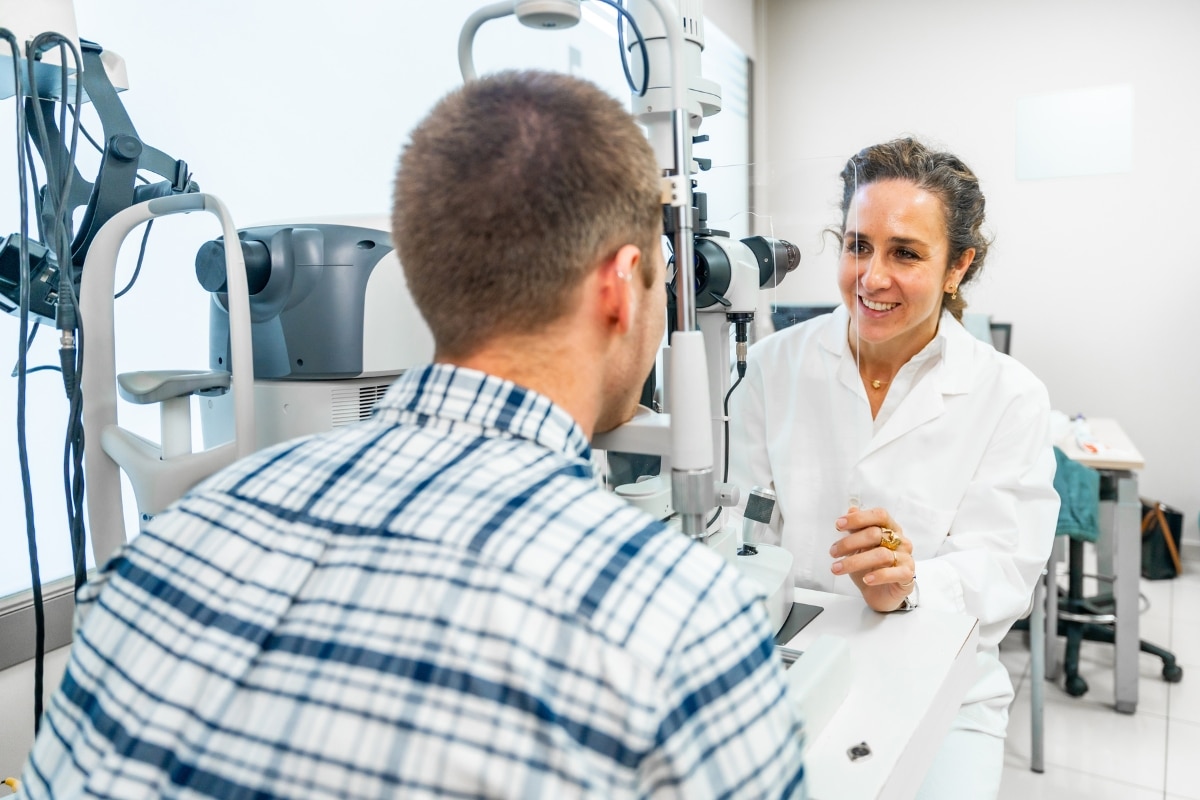
- Slit-lamp examination: Allows detailed examination of the structures at the front of the eye.
- Dilated eye examination: Allows the retina and other internal structures to be examined more closely.
Additional testing or referral may be recommended if the examination suggests a more serious underlying condition.
What Should You Do if One Eye Suddenly Becomes Blurry?
If you experience sudden blurry vision, avoid trying to diagnose or treat the problem yourself.
Do Not Rub the Eye
Rubbing can irritate the eye further and may worsen an injury or irritation.
Avoid Driving
If your vision is suddenly impaired, driving may be unsafe. Have someone take you for evaluation or use appropriate emergency transportation.
Do Not Use Someone Else’s Eye Drops
Prescription eye drops are designed for specific conditions. Using medication without professional guidance could make certain problems worse or delay appropriate treatment.
Note When Your Symptoms Started
Try to remember the exact time your vision changed and whether you experienced pain, flashes, floaters, redness, headache, or other symptoms. This information can be helpful during an evaluation.
How Amazing Eye Care Can Help With Your Eye Health
When unexpected eye symptoms occur, timely professional attention can help determine what is causing the problem and what type of care may be appropriate.
Amazing Eye Care serves patients in Beaumont, TX, and provides eye care services for a variety of vision and eye health concerns. If you experience sudden blurry vision, contact the practice to discuss your symptoms and available care.
For severe vision loss, significant trauma, stroke symptoms, or another potentially life-threatening emergency, seek emergency medical attention immediately rather than waiting for a routine eye appointment.
Learn More About Retinal Detachment and Vision Emergencies
The National Eye Institute provides educational information about retinal detachment, including symptoms, causes, and treatment considerations. Reviewing reliable eye health information can help patients better understand why sudden flashes, floaters, or curtain-like shadows should receive prompt attention.
Don’t Ignore Sudden Changes in Your Vision
Sudden blurry vision in one eye deserves attention, particularly when it appears unexpectedly or occurs alongside pain, flashes, floaters, vision loss, redness, or other unusual symptoms.
Some causes may be temporary and treatable, while others require urgent evaluation to reduce the risk of permanent vision problems. Knowing the warning signs can help you make a timely decision about seeking professional care.
If you are experiencing sudden blurry vision or another unexpected change in your eyesight, contact Amazing Eye Care in Beaumont, TX, to discuss your symptoms and available eye care services. Call Amazing Eye Care at (409) 892-4790 to learn more or request an appointment.
Protect Your Vision With Timely Eye Care
Your vision can change for many reasons, but sudden blurry vision should always be taken seriously. Recognizing warning signs and seeking appropriate care can help you address potentially serious eye conditions as early as possible.
If you are experiencing sudden blurry vision in one eye in Beaumont, TX, contact Amazing Eye Care to discuss your symptoms and determine the next appropriate step. Call (409) 892-4790 today to learn more about your eye care options and take the next step toward protecting your vision.
Frequently Asked Questions About Sudden Blurry Vision
1. Why is my vision suddenly blurry in one eye?
Sudden blurry vision may have several causes, including dry eye, corneal irritation or injury, infection, inflammation, retinal conditions, or problems affecting blood flow to the eye. Because some causes can be serious, sudden or unexplained changes should be evaluated promptly.
2. Is sudden blurry vision in one eye an emergency?
It can be. Sudden vision loss, severe eye pain, flashes, numerous new floaters, a curtain-like shadow, or vision changes following an injury can require urgent evaluation. If symptoms occur with possible stroke symptoms, call 911 immediately.
3. Can dry eye cause blurry vision in one eye?
Dry eye can cause fluctuating or blurry vision, but it is not always the cause of sudden blurriness in one eye. If the change is unexpected, persistent, or accompanied by other symptoms, professional evaluation is recommended.
4. Should I go to an emergency room for sudden blurry vision?
The appropriate location depends on the symptoms. Severe vision loss, significant eye trauma, or symptoms suggesting a stroke or other serious medical emergency may require an emergency department. For other sudden eye symptoms, an eye care professional can help determine the appropriate level of care.
5. Can sudden blurry vision go away on its own?
Some temporary causes may improve, but you should not assume that sudden blurry vision is harmless simply because it resolves. Temporary vision loss or recurring episodes can still warrant medical evaluation to identify the underlying cause.