
Screen time has never been greater. It has the popularity of blue light glasses. Smartphones, laptops, and tablets now dominate contemporary life more than ever. Children and adults spend multiple hours a day gazing at screens. Eye strain, fatigued eyes, and lost sleep are the most frequent grievances. Suddenly, blue light glasses have become a must-have.
Now the question is: Do they work, or is it hype? What Beaumont optometrists say may be surprising to you.
What Are Blue Light Glasses?
Blue light is high-energy visible light from computer and television screens and artificial lighting. Blue light glasses are claimed to block this light before your eyes detect it. Manufacturers suggest they relieve eye strain, improve sleep, and prevent long-term eye damage.
The lenses may appear with a light yellow color or a clear coat for blue light blocking. Blue light glasses are used by many hoping for quick relief from digital eye strain.
The Science Behind Blue Light Exposure
Blue light effectively impacts your brain and eyes in several different ways during extended exposure. Research indicates blue light could potentially suppress melatonin, undermining normal sleep patterns. Other research connects long periods of screen time with digital eye strain and fuzzy vision. No conclusive evidence exists for long-term retinal harm through normal screen usage.
Scientists remain divided regarding the actual value of blue light glasses. Results are highly variable in peer-reviewed studies and among patient results. However, other individuals have fewer headaches and improved sleeping patterns.
What Beaumont Optometrists Say
Qualified optometrists are seeing more demand for blue light glasses from individuals of all ages. According to a professional optometrist in Beaumont, hearing more complaints about eye strain from remote workers. Professionals only recommend blue light glasses to heavy screen users with sleep or eye issues.
Optometrists advise starting with screen breaks and blue light filter software. They point to the 20-20-20 rule: every 20 minutes, glance 20 feet away for 20 seconds. Optometrists say students are wearing blue light glasses more for online classes. Some optometrists notice better comfort in users but not necessarily better visual performance.
Kids get more benefit from limits on screen time than from blue light glasses. Working late at night, adults often find blue light glasses useful for sleep control. Optometrists still stress regular eye exams before self-guided digital eyewear solutions.
When Blue Light Glasses Might Be Worth It
Blue light glasses effectively help people who work more than 6 hours a day on screens. People suffering from sleep disruption after evening screen use might be assisted. They provide relief for users with digital eye strain and screen headaches.
These glasses, however, are no substitute for proper eye care habits. You can use them in combination with other treatments like screen adjustments, breaks, and ambient light adjustments.
Children may not need them unless they are prescribed by an optometrist. Gamers, coders, and graphic artists typically reap the benefits of blue light glasses. People achieve psychological relief from using protective lenses.
Blue light glasses provide temporary relief but no solution. You should prepare to have support, not a solution, with any blue light protection device.
These glasses can assist, but not everyone needs them every day. For others, basic adjustments such as taking breaks can alleviate symptoms more successfully.
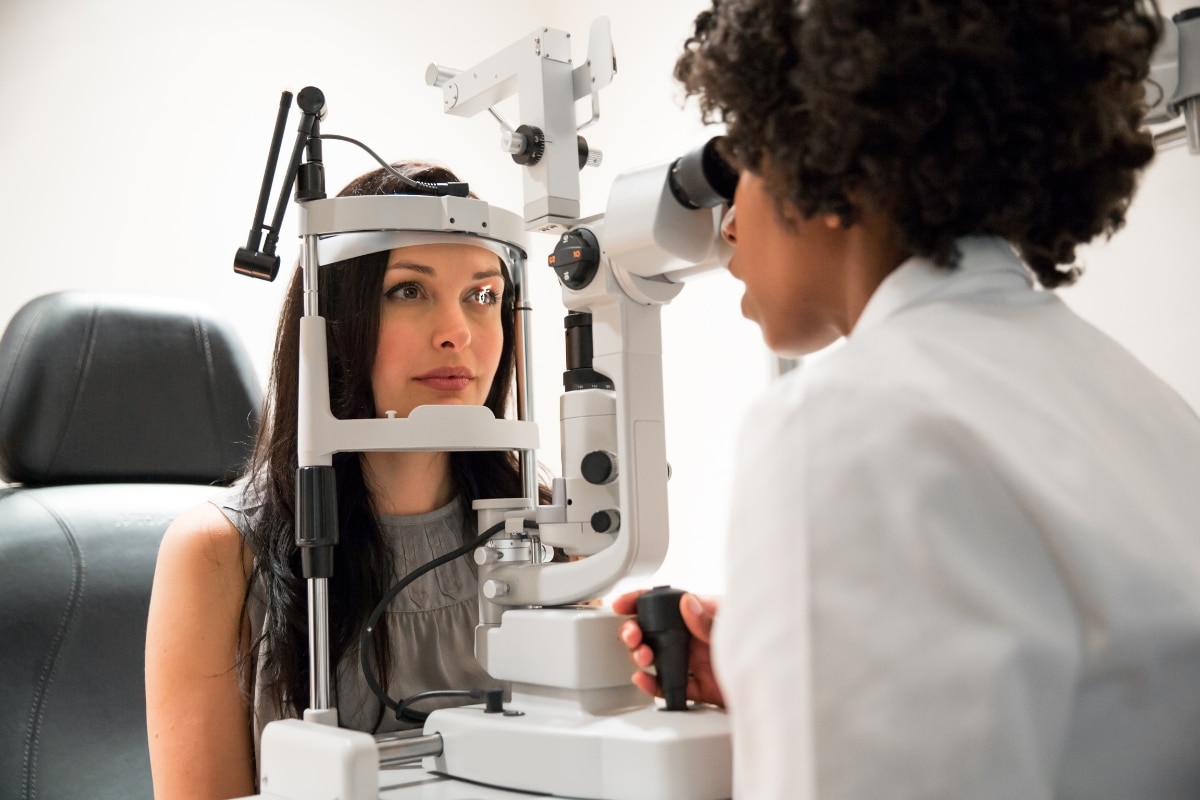
You can consult our optometrists before spending money on a new set. We provide advice customized to your specific vision and screen time. Schedule an eye exam with us to discuss your possibilities.