

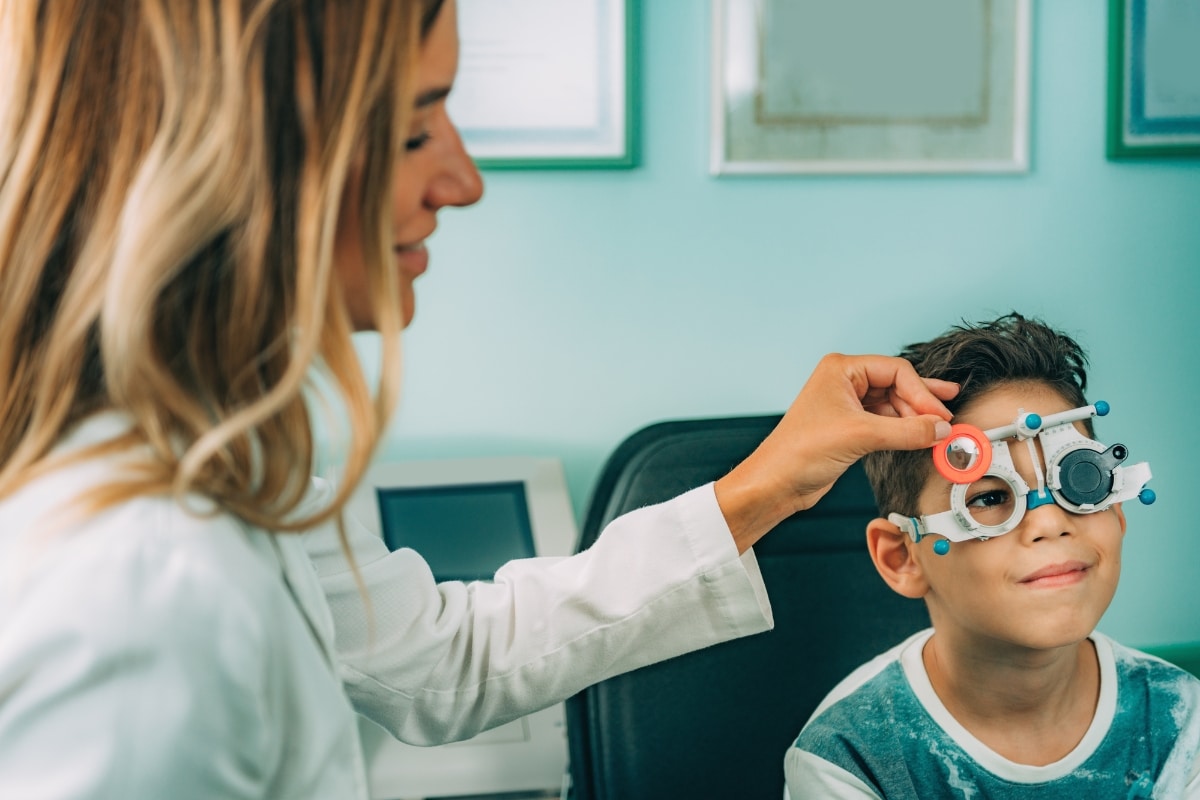
Children rely heavily on their vision to learn, play, and interact with the world around them. In fact, experts estimate that a significant portion of classroom learning is visual, making healthy eyesight essential for academic success and overall development. However, many vision problems can go unnoticed because children may not realize their eyesight is different from what it should be.
Recognizing the early signs of a vision issue can help parents seek treatment before it affects a child’s learning, confidence, or quality of life. Scheduling regular eye exams is one of the most effective ways to detect vision concerns early and support healthy visual development.
If you are concerned about your child’s eyesight, scheduling a Pediatric Eye Exam in Beaumont, TX can provide valuable insight into their visual health and help identify potential issues before they become more serious.
Why Pediatric Eye Exams Matter
Children’s eyes develop rapidly throughout infancy, childhood, and adolescence. During these critical years, vision problems can affect reading skills, academic performance, sports participation, and social interactions.
Many common childhood eye conditions, including nearsightedness, farsightedness, astigmatism, amblyopia (lazy eye), and eye alignment issues, can be successfully managed when detected early. Regular pediatric eye exams allow eye care professionals to monitor visual development and identify concerns that may not be obvious during routine pediatric screenings.
1. Frequent Squinting
Squinting is one of the most common signs that a child may be struggling to see clearly.
When children squint, they temporarily narrow the amount of light entering the eye, which can improve focus and make objects appear clearer. If you notice your child squinting while reading, watching television, using digital devices, or looking at distant objects, it may indicate a refractive error such as nearsightedness or astigmatism.
A pediatric eye exam in Beaumont, TX, can help determine whether corrective lenses or other treatments are necessary.
2. Sitting Too Close to Screens
Children who consistently sit very close to televisions, tablets, computers, or books may be compensating for blurry distance vision.
While some children simply develop this habit, it can also be a sign of nearsightedness. Difficulty seeing distant objects may affect classroom learning, participation in sports, and overall visual comfort.
If your child frequently moves closer to screens or struggles to see objects from a distance, a comprehensive eye examination is recommended.
3. Frequent Eye Rubbing
Occasional eye rubbing is normal, especially when a child is tired. However, persistent eye rubbing can indicate underlying vision issues.
Children may rub their eyes when they experience eye strain, focusing difficulties, allergies, or visual fatigue. Excessive rubbing can also cause eye irritation and discomfort.
If this behavior occurs regularly, an eye care professional can evaluate whether a vision problem may be contributing to the symptoms.
4. Complaints of Headaches
Frequent headaches can sometimes be linked to vision problems.
When a child’s eyes work harder than normal to focus, the extra effort can lead to eye strain and headaches. Children with uncorrected refractive errors may experience headaches during reading, schoolwork, or prolonged screen use.
Because headaches can have multiple causes, a comprehensive eye exam can help determine whether vision-related issues are contributing to the problem.
5. Difficulty Reading or Concentrating
Vision plays a major role in learning.
Children with undiagnosed vision problems may struggle with reading comprehension, lose their place while reading, skip lines of text, or avoid near work altogether. Some children may appear distracted or inattentive when the real issue is difficulty seeing clearly.
Parents and teachers often notice changes in academic performance before recognizing that vision may be the underlying cause.
A pediatric eye exam in Beaumont, TX, can help identify visual challenges that may be affecting your child’s educational success.
6. Covering One Eye
If your child frequently covers one eye while reading, watching television, or focusing on objects, it could indicate a vision imbalance between the eyes.
This behavior may occur when one eye sees more clearly than the other or when the eyes are not working together properly. Conditions such as amblyopia and binocular vision disorders often benefit from early diagnosis and treatment.
Prompt evaluation is essential to support normal visual development.
7. Tilting or Turning the Head
Children sometimes tilt or turn their heads to compensate for vision difficulties.
This behavior may indicate eye muscle imbalances, double vision, or attempts to achieve clearer focus. Persistent head tilting should not be ignored, especially if it occurs during reading or visual tasks.
An eye examination can help determine whether an underlying visual condition is responsible.
8. Sensitivity to Light
While occasional light sensitivity may be harmless, persistent sensitivity can signal an underlying issue.
Children who frequently avoid bright environments, squint excessively outdoors, or complain that lights seem too bright may benefit from a professional eye evaluation.
Light sensitivity can occur for several reasons, including eye inflammation, refractive errors, or other ocular conditions that require assessment.
9. Poor Eye Tracking
Eye tracking refers to the ability of the eyes to move smoothly and accurately when following moving objects or reading text.
Children with poor eye tracking may lose their place while reading, skip words, struggle with sports activities, or experience difficulty maintaining focus.
These challenges can affect academic performance and daily activities. Comprehensive pediatric eye exams evaluate visual skills beyond basic eyesight measurements.
10. Crossed Eyes or Eye Misalignment
Eye alignment problems are among the most important signs that warrant immediate attention.
If one eye appears to drift inward, outward, upward, or downward, the condition may indicate strabismus. Left untreated, strabismus can increase the risk of amblyopia and long-term vision complications.
Early intervention often improves treatment outcomes and supports healthy binocular vision development.
When Should Children Have Eye Exams?
Many parents assume school vision screenings are sufficient, but screenings are not a substitute for comprehensive eye exams.
Children should receive regular eye examinations based on recommendations from their eye care provider and individual risk factors. Comprehensive exams evaluate eye health, visual acuity, focusing ability, eye alignment, and other important aspects of visual development.
Routine pediatric eye care helps ensure vision problems are identified and managed as early as possible.
According to the American Association for Pediatric Ophthalmology and Strabismus (AAPOS), comprehensive eye examinations play an important role in detecting vision disorders that can impact a child’s development and learning.
How Amazing Eye Care Supports Children’s Vision
At Amazing Eye Care, comprehensive pediatric eye examinations are designed to assess every aspect of your child’s visual health. Early detection and personalized care can help children achieve their full academic, athletic, and developmental potential.
By identifying concerns early, parents can take proactive steps to protect their child’s vision and support lifelong eye health.
Conclusion
Children often do not recognize when they have a vision problem, making it important for parents to watch for warning signs. Frequent squinting, headaches, eye rubbing, difficulty reading, and eye misalignment may all indicate the need for professional evaluation.
Scheduling a pediatric eye exam in Beaumont, TX, is one of the best ways to protect your child’s vision and ensure healthy visual development. Early diagnosis and treatment can improve learning, confidence, and overall quality of life while helping children see the world more clearly.
Frequently Asked Questions
1. At what age should my child have their first eye exam?
Many children benefit from a comprehensive eye examination during early childhood. Your eye care provider can recommend an appropriate schedule based on your child’s individual needs.
2. How often should children have eye exams?
The frequency of eye exams depends on age, risk factors, and vision needs. Regular comprehensive exams help monitor healthy visual development.
3. Are school vision screenings enough?
No. Vision screenings can identify some issues, but do not provide the detailed evaluation available during a comprehensive eye exam.
4. What conditions can a pediatric eye exam detect?
Pediatric eye exams can identify refractive errors, amblyopia, strabismus, eye tracking issues, focusing problems, and various eye health concerns.
5. How long does a pediatric eye exam take?
Most pediatric eye exams can be completed within a reasonable appointment time, although the exact duration varies depending on the child’s age and specific testing requirements.